Why do some organizations succeed in turning AI investments into business value, while others remain stuck in experiments and isolated use cases?
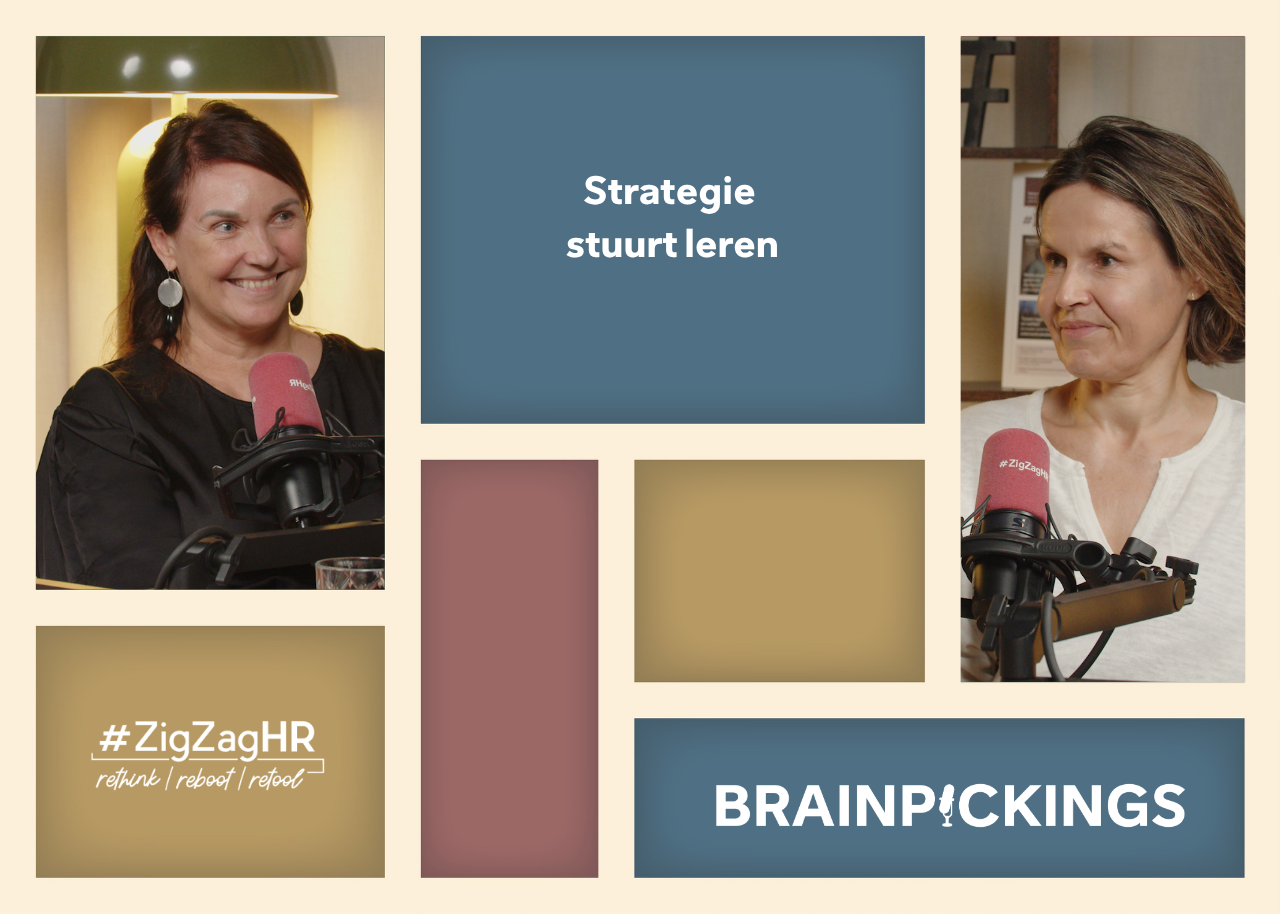
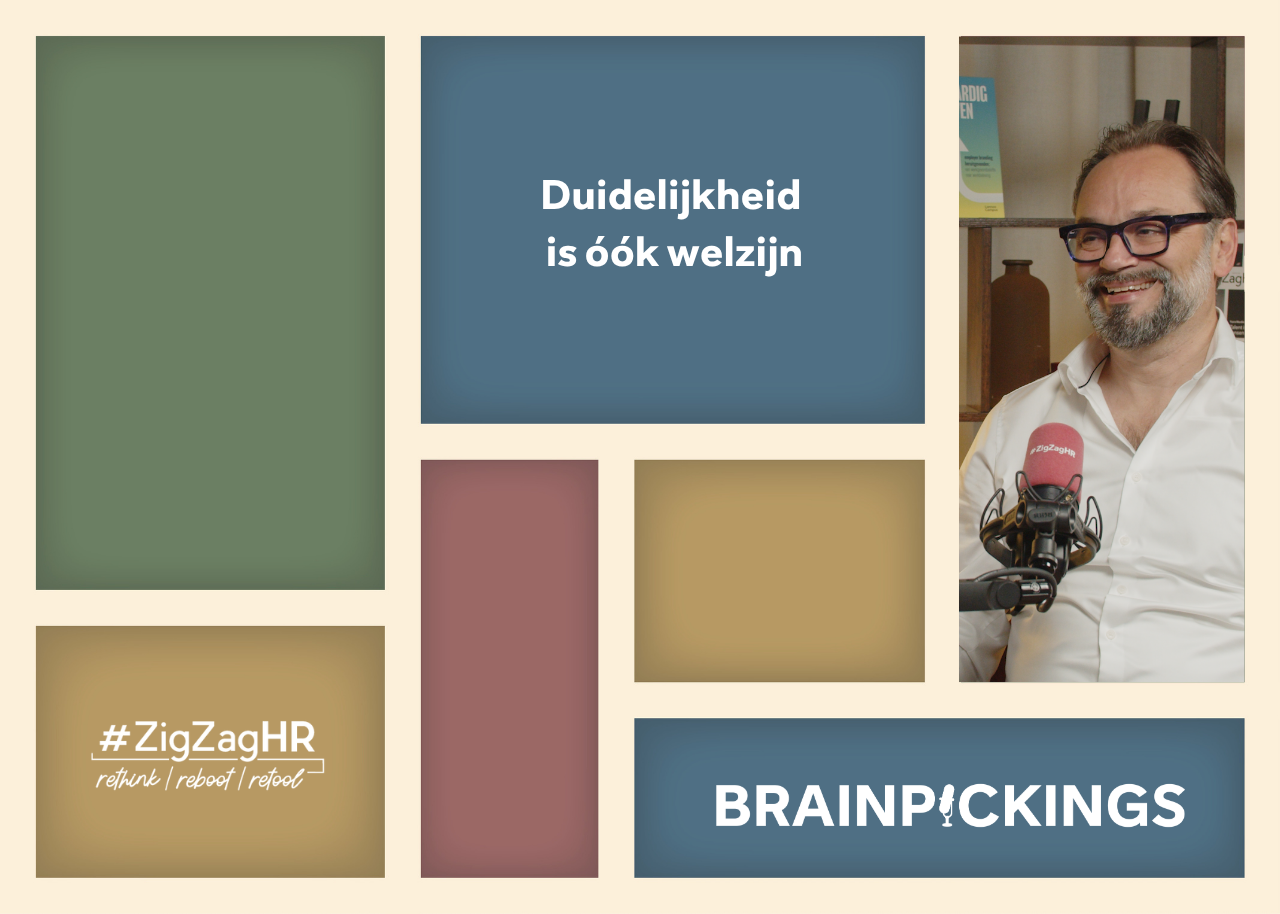
In this second episode of our four-part podcast series on Deloitte’s 2026 Global Human Capital Trends report, Lesley Arens speaks with Annelies Verbruggen and Tom Verstraete from Deloitte Belgium about the shift from static organization structures to dynamic orchestration.
According to Deloitte’s research, seven in ten business leaders expect their competitive advantage over the next three years to come from being fast and nimble rather than simply being bigger. That requires organizations to continuously bring together people, skills, data and AI around changing business needs.
The conversation explores Deloitte’s concept of the Orchestration Advantage: moving away from lengthy organization design cycles towards a model that can sense change, reconfigure work and redeploy capabilities in real time. Annelies and Tom explain why this shift starts with the outcomes an organization wants to achieve, rather than with its existing jobs, departments or workforce.
They also discuss why AI only creates value when the work itself is redesigned. This means breaking jobs and processes down into tasks and deciding what humans should do, what machines can do and where collaboration between both produces better results.
You will discover:
✅ Why AI value creation is primarily a human and organizational challenge
✅ How dynamic orchestration differs from traditional organization design
✅ Why workforce planning needs to become more continuous and responsive
✅ How organizations can create modular teams & move decision-making closer to the work
✅ What Human × Machine collaboration means in practice
✅ How to approach AI as a colleague or team member
✅ Why trust, accountability and psychological safety matter
✅ Who benefits from the productivity gains created by AI
✅ How HR can act as architect, orchestrator and trusted advisor
The central message is clear: technology alone will not create a competitive advantage. The difference lies in how intentionally organizations redesign work and combine human and technological capabilities.
Subscribe to the #ZigZagHR YouTube channel for the next episodes in this special series on Deloitte’s 2026 Global Human Capital Trends.
===
Which human capital trends will shape 2027, and how prepared are organizations to respond?
Share your perspective by completing Deloitte’s global survey. It takes approximately 10 minutes, and all responses remain confidential.
© 2026 #ZigZagHR – Alle rechten voorbehouden – Privacybeleid – Website gemaakt door Kreatix – In opdracht van LICEU BVBA